

Financial Disclaimer: The strategic analysis from the Finanlytic Data Intelligence Unit is meant for informational and educational purposes only. Content created by Hugo Cutillas or other contributors shouldn’t be taken as professional investment, financial, tax, or legal advice. Trading in fast-paced markets carries a significant risk of losing capital. Finanlytic is not a registered financial advisor or broker-dealer. We analyze complex data signals, but remember, just because something worked in the past doesn’t guarantee it will work in the future. Always do your own research and consult with a certified financial professional before making any market moves.
“The stock market is a device for transferring money from the impatient to the patient.” — Warren Buffett.
Fast forward to 2026, and this saying has morphed from a clever quote into the essential barrier protecting your wealth from total collapse. We’re in a time where market turmoil isn’t just a glitch; it’s a built-in feature of the system. With news cycles running 24/7, AI-driven high-frequency trading, and social media stirring up panic in an instant, prices fluctuate with a ferocity that feels personal. For most people, this unpredictability is a danger; for the wealthy, it’s an opportunity. The hidden practice of legendary investors isn’t some secret algorithm or insider scoop. It’s the Habit of Strategic Inactivity, fueled by a remarkable level of patience. While the rest of the world reacts emotionally to the flashing red on their screens, the true winners do something much tougher: they hold off until the data backs up their strategy before they invest a single dollar.
The Most Expensive Virtue
Savvy investors know that the strength of patience far surpasses the excitement of making quick decisions. In a world shouting “everything is crashing,” your instinct might be to hit ‘sell’ to ease the pain. But smart investors realize that price is just what you pay, while value is what you truly hold onto. By 2026, the system will prey on your emotional exhaustion, hoping you’ll give in to fear and provide the cheap liquidity that big institutions are after.
Choosing to stay inactive doesn’t mean being lazy; it’s about making decisions based on facts and probabilities instead of reacting impulsively. During a market downturn, while many are selling at a loss to seek “safety” in dwindling cash, the patient investor assesses their portfolio with the cool detachment of a surgeon. They don’t get swayed by headlines; they look for signs of sell-side fatigue. They know that in the wealth game, the one who can remain calm the longest often comes out on top.
Mastering the Anatomy of Chaos
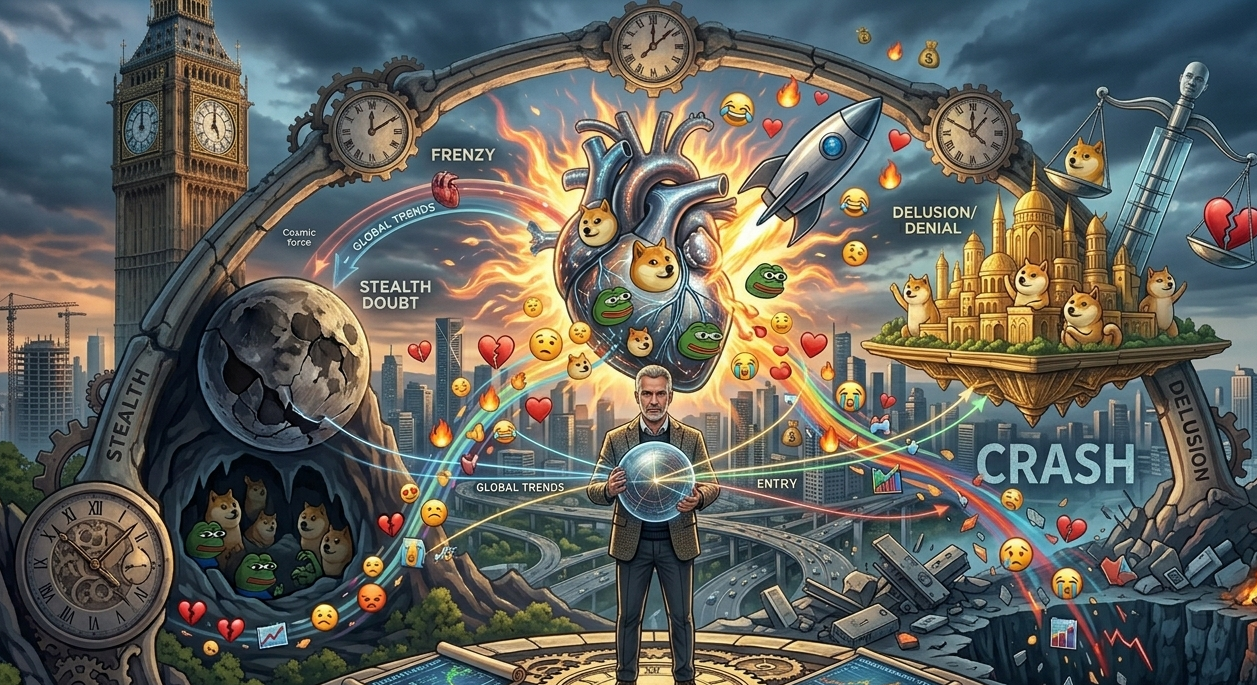
Smart investors take a step back and analyze the market’s ups and downs without getting emotionally involved. They recognize that volatility is just part of the game when it comes to making significant profits. By distinguishing between a genuine market crash and a temporary dip, they can tune out the “noise” that often leads average retail traders to panic. They understand that markets operate in cycles: accumulation, markup, distribution, and markdown.
Because they expect a rebound, they can strategically plan their entries while others are in a frenzy during short-term fluctuations. To truly excel in this, you need to separate your emotions from the price movements. The best chances for building wealth often arise when the ‘crowd’ is at its most anxious or despondent. In 2026, if you find yourself feeling too comfortable with your trade, it’s likely you’ve missed the boat. Real profits are made by holding steady when everyone else is rushing for the exits.
Diversification as an Emotional Safety Net
Navigating through systemic chaos requires a smart strategy, and one of the best ways to do that is by not putting all your eggs in one basket. Savvy investors know the importance of diversifying their capital across various sectors and asset classes, such as crypto, stocks, commodities, and even different geographic areas. This is where ETFs (Exchange-Traded Funds) come into play. They offer a quick way to diversify, letting you tap into the growth of an entire sector without the risk of being hit hard by the downfall of a single company.
Having a balanced portfolio does more than just lower financial risk; it also eases emotional stress. It’s much easier to keep your cool when one market is struggling if the rest of your “Firewall” is holding steady. For many investors, the key to true diversification lies in finding the right balance between aggressive growth and stable investments. By spreading out your risk, you give yourself the breathing room to practice the art of doing nothing when needed.
The Data-Driven Firewall: Trading Without Emotions
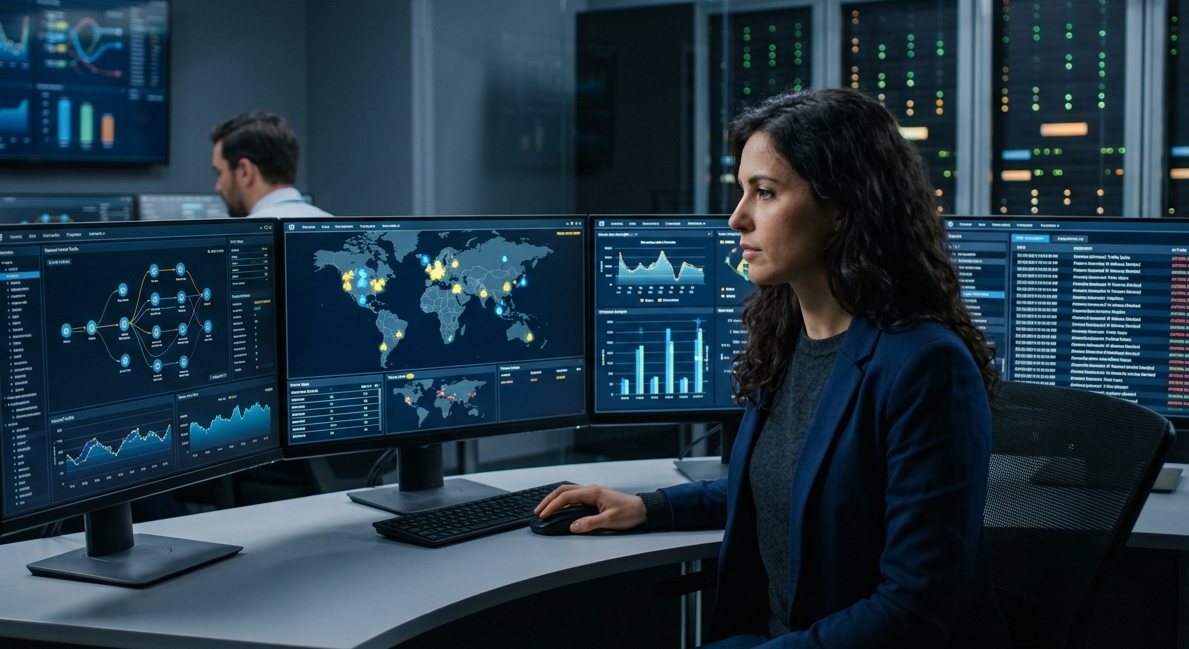
In 2026, data needs to drive every decision; emotions just don’t belong in a winning investment strategy. Smart investors tune out the noise of social media “trends” and concentrate on a solid set of indicators. This includes technical signals like moving averages, RSI, and volume clusters, as well as key economic fundamentals such as interest rate trends and GDP growth. They also take a close look at a company’s health by examining debt-to-equity ratios and cash flow. When an investor spots unusual trading activity in a particular sector that matches up with strong economic data, they see an opportunity where others might panic. They assess the risk, figure out their position size, and only make a move when the odds are stacked in their favor. To create your own data-driven strategy, you need to keep an eye on macro data, like the Yield Curve, to grasp where the real money is flowing. Understanding interest rate trends is the crucial first step in taking the “human element” out of your execution strategy.
To build your own data firewall, we recommend monitoring the Yield Curve and Macro Data via the St. Louis Fed (FRED). Understanding interest rate trajectories is the first step in removing emotion from your execution strategy.
The Heart of the Habit
Markets can be pretty unpredictable, and that’s largely because people are unpredictable too. Fear and greed are the driving forces in finance, and the system often seems to exploit these emotions at the worst possible moments. Savvy investors know the importance of staying cool under pressure, and they use strategies like Pre-mortems, where they imagine a trade has gone south before it even happens, to see if they can cope with the potential loss. They also keep Investment Journals to avoid “style drift” when panic sets in.
Successful investors view their mistakes as valuable lessons. They take the time to review their past deals to pinpoint where their reasoning went off track, which helps them be better equipped to turn the next market shake-up into an opportunity rather than a disaster. Nowadays, many are turning to Algorithmic Rules, which allow them to set automated buy or sell triggers, helping them step away from the keyboard during those high-stress moments.
Finanlytic Takeaway: Practical Steps for 2026

FINANLYTIC | DATA INTELLIGENCE UNIT | Analysis by Hugo | Lead Market Strategist
To really succeed in today’s world, it’s crucial to craft a 5-year vision that helps you ride out the short-term ups and downs. Keep an eye on the signals rather than getting caught up in the headlines; if the news starts to stress you out, just switch it off and focus on the charts instead. Always set your exit point before you dive in, so your emotions don’t take control when the market dips. By 2026, the so-called “chaos” will just be a filter.
It separates those who react impulsively from those who make decisions based on data. Patience is the key habit that enables investors to thrive even in turbulent times. In the long game of building wealth, the reward doesn’t go to the quickest trader, but to the one who can sit quietly and wait while everyone else is in a frenzy.