
Financial Disclaimer: The strategic analysis from the Finanlytic Data Intelligence Unit is meant for informational and educational purposes only. Content created by Hugo Cutillas or other contributors shouldn’t be taken as professional investment, financial, tax, or legal advice. Trading in fast-paced markets carries a significant risk of losing capital. Finanlytic is not a registered financial advisor or broker-dealer. We analyze complex data signals, but remember, just because something worked in the past doesn’t guarantee it will work in the future. Always do your own research and consult with a certified financial professional before making any market moves.
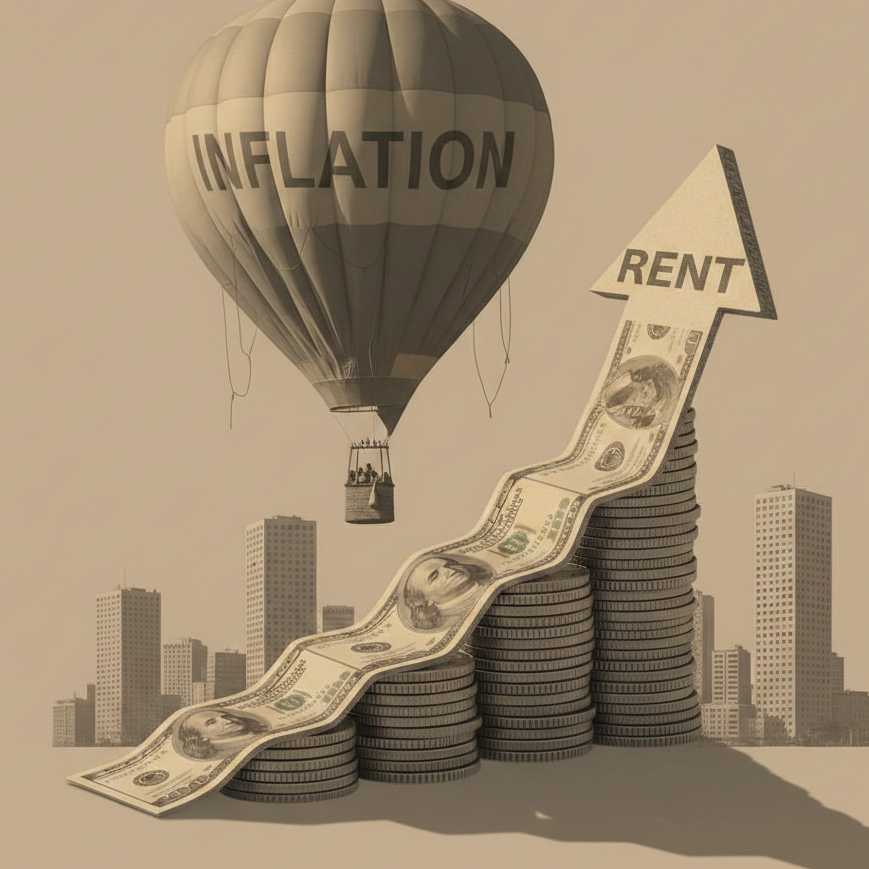
Early 2026 was meant to be the year of the “Great Pivot.” For months now, mainstream media and government officials have been gearing us up for a victory lap. The headlines are filled with stories about inflation finally “cooling,” CPI numbers easing from their alarming highs, and energy prices stabilizing. The message is loud and clear: the storm has passed. But when you check your bank account on the first of the month, the reality hits hard. Sure, the price of a TV or a gallon of gas might have dropped, but your biggest, most unavoidable expense, Rent, keeps climbing with a relentless, almost sneaky aggression.
The gap between those “official” numbers and what you see in your monthly bank statement has turned into a chasm. We’ve stepped into a perilous economic phase where the cost of living is drifting further away from the cost of goods. The crisis hasn’t disappeared; it’s just morphed into a permanent drain that’s quietly eroding the middle class. You’re not just paying for a roof over your head; you’re shelling out a hefty interest tax on your future freedom. Welcome to the age of Paying More for Less Freedom, where the “lower inflation” you read about in the news feels like a cruel joke that knocks on your door every time your lease comes up for renewal.
Why Rents Don’t Retreat
Inflation shows us how prices fluctuate across a mix of goods, but when it comes to rent, things are a bit different; it’s pretty “sticky.” For instance, while the price of oil might plummet by 10% in just a week due to political changes, rental agreements are more like solid anchors in the economy. Landlords aren’t just going to lower rents because the national inflation rate dropped from 6% to 3%. In the 2026 market, we’re seeing high rents become the “new normal.” The Lag Effect is hitting hard: housing costs are still trying to catch up with the significant currency devaluation we’ve experienced over the past three years. Once real estate prices level off, they rarely go back down. This rigidity means that even if “inflation” decreases, your purchasing power is still being eroded. You’re essentially paying for the effects of past hyper-inflation with your current stagnant, “stabilized” wages.
The Chronic Construction Deficit: Scarcity as a Weapon
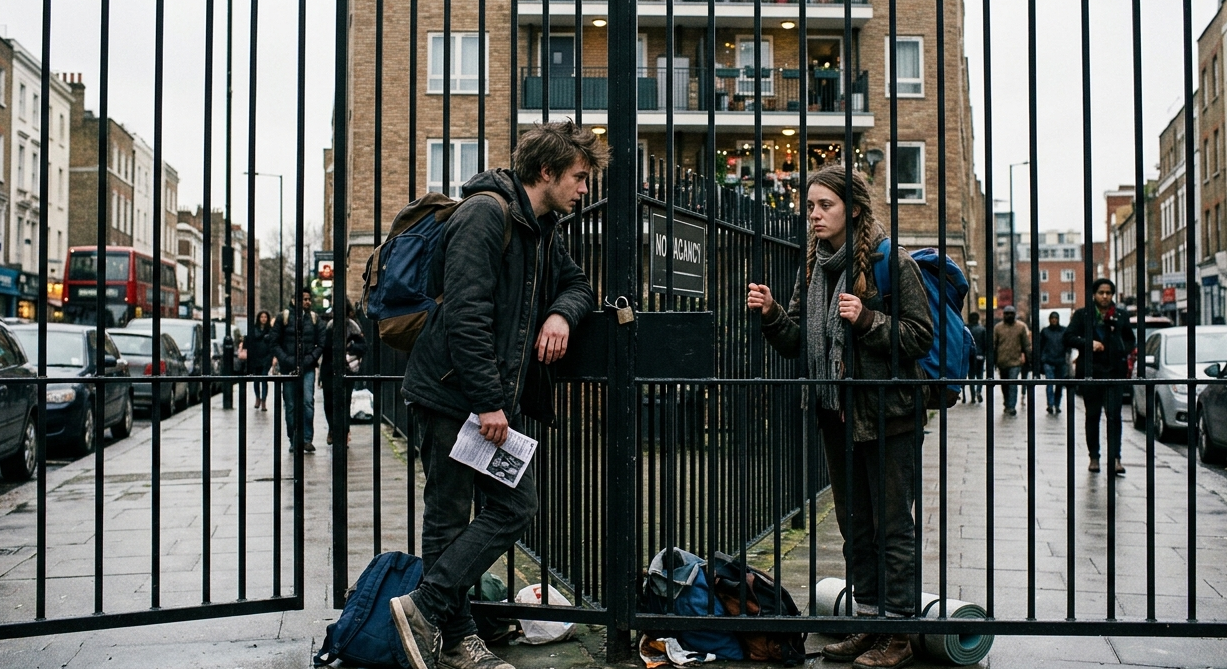
The main issue behind the 2026 housing crisis isn’t just about “market forces, it’s a disastrous Supply Failure. By 2026, the global housing shortage has hit a critical point that no amount of “cooling” inflation can remedy.
The Developer Squeeze: The high interest rates of 2024 and 2025 wiped out mid-sized developers, leaving only the big institutional players to dictate the new supply.
Scarcity Friction: With supply this limited, rents don’t need inflation to go up; they increase simply due to competition. In 2026, housing often takes up more than 40% of the median household income. This situation has gone beyond being a market; it feels like a siege. When nearly half of your earnings are drained just to keep a roof over your head, you’re not really participating in the economy; you’re just a machine for servicing debt.
The “Locked-Out” Generation and Rental Congestion
The traditional way of leaving the rental market, by buying a home, has become nearly impossible for a large part of the population. We’ve essentially created a “Locked-Out” Class. High-earning professionals, like engineers and managers who should be building their own home equity, find themselves stuck in the rental market because they can’t afford the mortgage rates expected in 2026. This leads to what we call Rental Congestion: these high-income earners end up outbidding lower and middle-class families for average apartments, which drives up the baseline prices for everyone. This situation is at the heart of the Asset Poverty cycle: you might be paying a mortgage every month, but it’s going towards your landlord’s real estate investment trust, not your family’s future.

DATA INTELLIGENCE UNIT
| Metric | Headline Inflation (CPI) | Rental Market (2026) | Finanlytic Takeaway |
| Volatility | High (Fluctuates monthly) | Low (Only moves up) | Rent is a “One-Way Valve.” |
| Response to Rates | Direct (Lower demand) | Inverse (Less supply/more renters) | High rates keep rents high. |
| Wealth Impact | Marginal | Terminal | Rent is the #1 killer of wealth. |
| Social Mobility | Enabled by lower costs | Crushed by high floors | You are stuck where you rent. |
The Landlord’s Overhead
To really grasp the paradox, we need to dig into the hidden costs lurking behind the walls. By 2026, property owners are passing on “invisible” inflation that the Consumer Price Index (CPI) conveniently overlooks: Soaring Insurance Costs: In many areas, premiums have skyrocketed, tripling in response to climate-related risks.
Rising Property Taxes: Cities are increasing taxes to address their own budget shortfalls.
Maintenance Costs on the Rise: Specialized trades like plumbing, electrical work, and HVAC have become detached from the overall price trends of goods. These are what we call Structural Overheads. They don’t decrease just because the price of milk goes down. They act like permanent escalators, and guess who ends up footing the bill? The tenant.
For a broader look at the supply deficit, the IMF Real Estate Market Reports confirm that the 2026 rental surge is a global phenomenon driven by insurance costs and property tax adjustments that bypass standard inflation cooling.
The End of Mobility
The most troubling consequence of paying more for less freedom is the loss of mobility. In the past, if you wanted to improve your life, you simply moved. But in 2026, it feels like you’re trapped in a geographic prison. A 20% salary bump in 2026 is an illusion if the relocation lease is 40% higher. The ‘career move’ has been replaced by ‘geographic imprisonment. This situation discourages people from taking risks or launching their own businesses. Instead, they find themselves stuck in a stagnant job because they “can’t afford to move.” This lack of mobility stifles human talent and keeps us all locked in a Maintenance Mode lifestyle.
Finanlytic Takeaway
FINANLYTIC | DATA INTELLIGENCE UNIT | Analysis by Hugo | Lead Market Strategist
Waiting around for “prices to drop” isn’t a strategy; it’s more like giving up. With rent going up while inflation eases, it’s clear that the system is fundamentally flawed. To navigate the Rent Siege, you need to rethink your approach:
Income Velocity: If your housing expenses are either fixed or climbing, your best option is to boost your income. Exploring side gigs and roles that leverage AI is essential.
Liquidity Defense: Every dollar that doesn’t end up in your landlord’s pocket should be working hard for you in the S&P 500 (The Fortress) or the Nasdaq (The Machine).
Geographic Arbitrage: If you can work remotely, 2026 is the perfect time to relocate to a place where the rent-to-income ratio allows you to thrive. The “Dream” isn’t gone, but the roof over it has turned into a cage. By 2026, you’ll either own assets or be just another cog in the machine. Don’t settle for just paying for a roof; create a foundation that the system can’t take away.