
Financial Disclaimer: The strategic analysis from the Finanlytic Data Intelligence Unit is meant for informational and educational purposes only. Content created by Hugo Cutillas or other contributors shouldn’t be taken as professional investment, financial, tax, or legal advice. Trading in fast-paced markets carries a significant risk of losing capital. Finanlytic is not a registered financial advisor or broker-dealer. We analyze complex data signals, but remember, just because something worked in the past doesn’t guarantee it will work in the future. Always do your own research and consult with a certified financial professional before making any market moves.
Back in 1990, a savings account felt like a protective barrier; fast forward to 2026, and it resembles more of a leaky bucket. With inflation consistently outpacing the interest rates offered by traditional banks, the middle class is realizing that the old adage of ‘playing it safe’ might just be the riskiest move of all. The tried-and-true approach, work hard, stash your cash in a bank, and wait for it to grow, has become a thing of the past.
The truth is, your bank account is slowly being eroded by what can be described as a “silent tax” on your buying power. This is precisely why ETFs (Exchange-Traded Funds) have stepped into the spotlight, not as a luxury, but as a crucial lifeline for middle-class financial survival.

DATA INTELLIGENCE UNIT
| Asset Location | Interest Rate (Avg) | Real Inflation (2026) | Net Result (Yearly) |
| Traditional Savings | 3.0% | 5.0% | -2.0% (Loss) |
| Cash / Piggy Bank | 0.0% | 5.0% | -5.0% (Loss) |
| Broad Market ETF | 8.5% | 5.0% | +3.5% (Growth) |
The Mutation of the Middle-Class Problem
Holding onto cash in 2026 is a risky game. If a bank is offering you 3% interest while inflation is running at 5%, you’re essentially losing 2% of your wealth each year just for the privilege of keeping your money there. This discrepancy acts like a “silent tax,” quietly chipping away at your chances of owning property and enjoying a comfortable retirement. Housing prices have completely detached from local wages, which means that saving money at a steady rate just won’t cut it anymore if you want to achieve those big life milestones. For many families, investing has transformed from a pastime for the affluent into a crucial necessity for everyone else.
The Only Defense Against Complexity
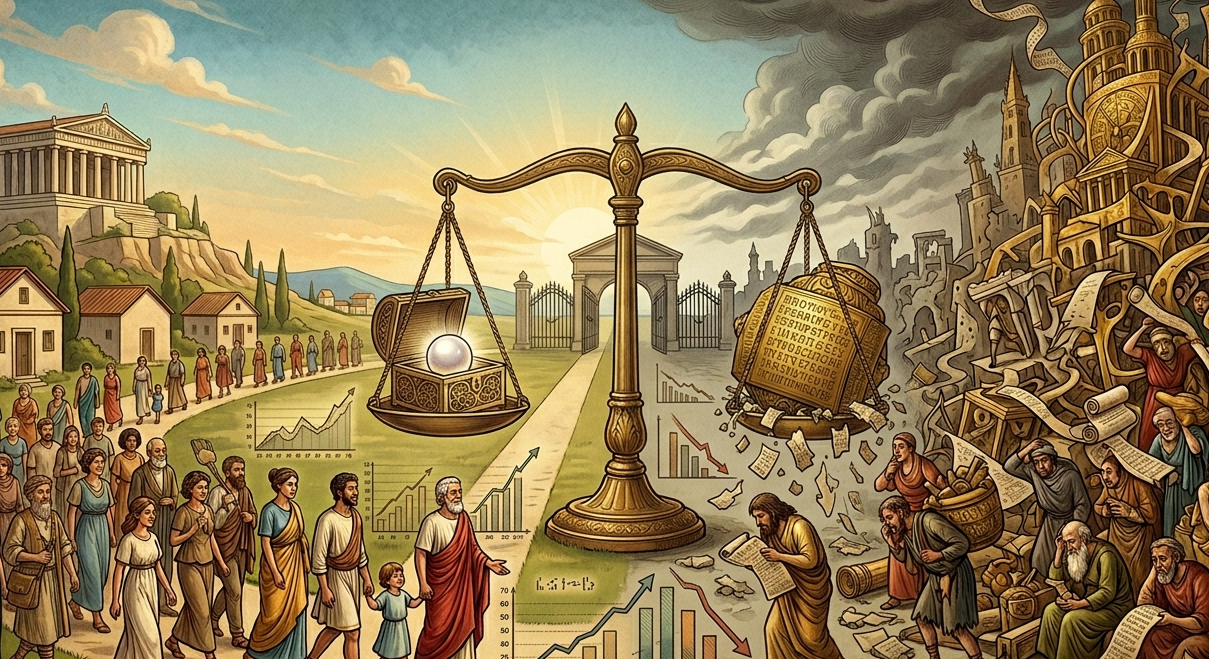
Before the digital investment revolution, creating a portfolio was all about carefully selecting individual stocks and dealing with the stress of trying to “pick a winner.” But then came ETFs, and they really changed the game by bringing in a level of simplicity that everyone can appreciate.
With just one purchase, an investor can tap into hundreds or even thousands of companies at once. Instead of putting all your eggs in one basket, you’re investing in the growth of an entire sector or even the global economy. It’s a “set and forget” strategy that fits perfectly into a busy 50-hour work week. As we look ahead to 2026, where time is more precious than ever, ETFs stand out as the most efficient tool for preserving your capital.
Your Invisible 30% Tax
Fees can quietly undermine your long-term wealth. While traditional mutual funds typically have expense ratios ranging from 1% to 2%, many passive ETFs in 2026 boast ratios as low as 0.03%.
A 1.5% management fee isn’t just a minor expense; it’s like a 30% tax on your future retirement savings over the span of 30 years. Switching to a low-cost ETF could be the most impactful ‘raise’ you give yourself this decade.
This small difference can be the deciding factor between a family remaining in the middle class or slipping into financial uncertainty.
Institutional Power for the Everyday Paycheck
The middle class really can’t afford to make big mistakes. Diversification is often called the only “free lunch” in finance, and ETFs make it super easy to achieve. By spreading your investments across sectors like technology, healthcare, and energy, you create a safety net that was once only available to hedge funds. On top of that, the emergence of fractional shares and automated apps means families can start building wealth with just $50 at a time. This approach reflects the reality of living paycheck to paycheck today, providing both liquidity and growth that traditional assets like real estate simply can’t offer to the average worker.
Hedging Against Global Uncertainty
In today’s world, where inflation can be unpredictable, the key to thriving lies in owning productive assets, like businesses that can adjust their prices to keep up with inflation.
Growth ETFs: They let you tap into the potential of technological advancements and AI.
Dividend ETFs: These are great for generating a reliable stream of passive income.
Commodity ETFs: They act as a safety net when the prices of raw materials start to climb.
Shifting from a stagnant savings account to a more growth-focused strategy really calls for a change in how you think about your finances. To make that leap from just ideas to real action, we’ve put together a straightforward overview of the ‘All-Weather’ ETF portfolios that are actually beating out traditional bank products this year. Make sure to pay special attention to the Expense Ratio comparisons; they’re crucial for building your long-term wealth.
Finanlytic Takeaway: The Unstoppable Shift
FINANLYTIC | DATA INTELLIGENCE UNIT | Analysis by Hugo | Lead Market Strategist
The shift towards ETFs is driven by the decline of traditional pensions and the unsettling reality of a currency that seems to lose value right in your hands. By 2026, ETFs have emerged as the go-to option, providing a sensible solution to a tough economic landscape. They present a structured approach grounded in discipline, steering clear of the “gambling” vibe that often comes with individual trading. More than just an investment choice, ETFs represent a necessary financial evolution, the smartest way forward for countless individuals aiming to secure their future in an uncertain world. It’s time to stop letting that silent tax eat away at your savings. Start building your financial fortress today